
OCD does not always improve sufficiently with medication or psychological therapy.
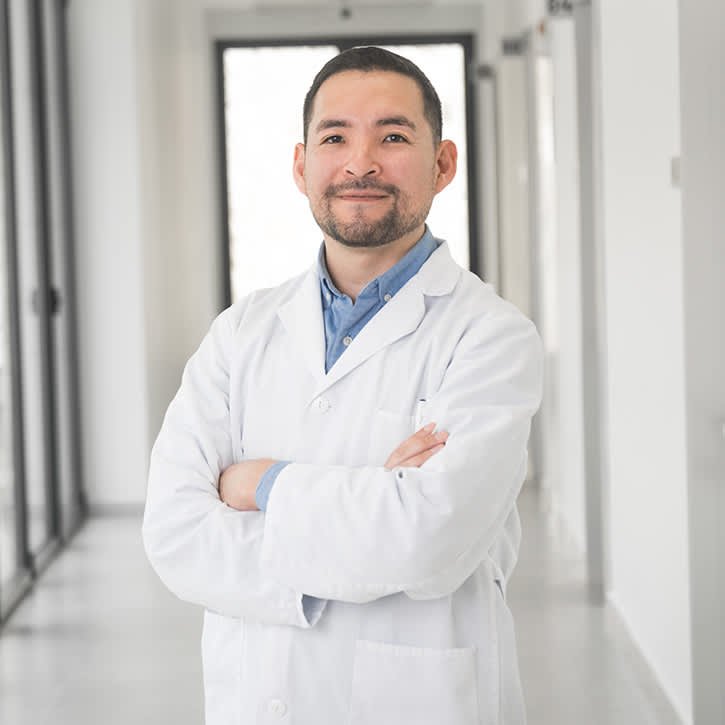
Dr. Lafuente, a specialist in Clinical Neurophysiology, has extensive experience in non-invasive neuromodulation techniques supported by scientific evidence. These techniques can help reduce the intensity of obsessions, the urgency of compulsions, and the associated level of anxiety, especially when the response to conventional treatments is insufficient.



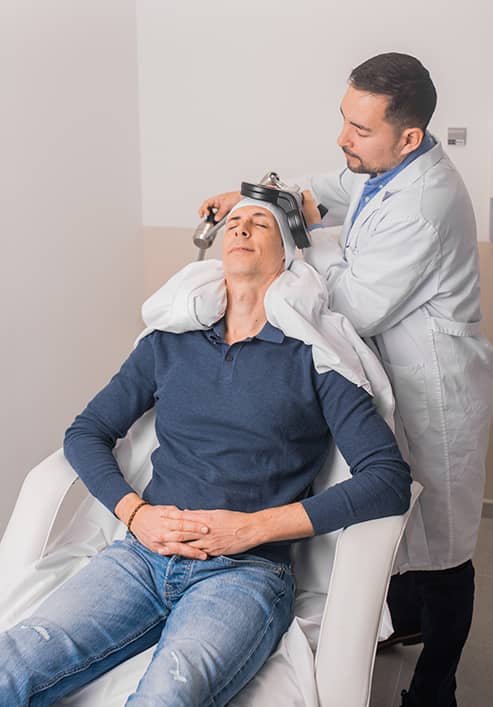
When OCD persists despite conventional treatment, neuromodulation offers an effective alternative. Techniques such as repetitive transcranial magnetic stimulation (rTMS, or TMS) can help you regain more control over your symptoms in your daily life.
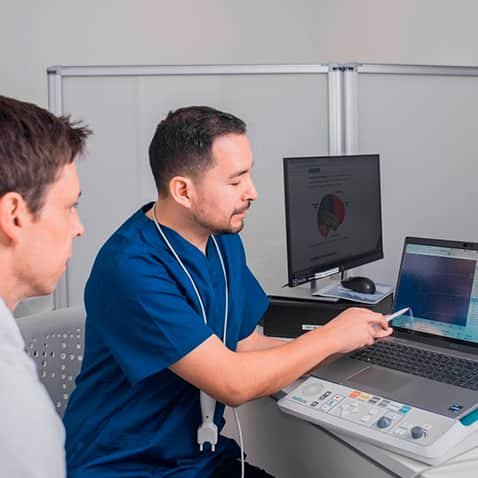
It is a medical treatment that applies magnetic pulses to stimulate, in a controlled manner, areas of the brain involved in the circuits of OCD. It does not require surgery or anesthesia. The goal is to modulate brain activity related to obsessions, compulsions, and anxiety responses. In some protocols, a brief guided “activation” of the symptoms is performed before the session to work on the involved circuitry.
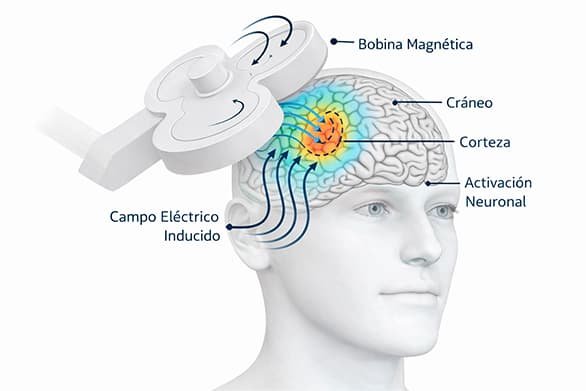
Yes. It is a medical treatment that has been used for years in hospitals and specialized centers. In most cases, the side effects are mild and temporary.
It is especially recommended when OCD does not respond sufficiently to medication and/or psychological therapy, or when these treatments are not well tolerated. In August 2018, the FDA in the United States authorized the use of transcranial magnetic stimulation as an adjunctive treatment for OCD in adults.
The sessions are simple and well-tolerated. You remain seated and awake while the stimulation is applied in a controlled and supervised manner; no anesthesia or sedation is required. Afterward, you can resume your normal day.
During application, you may feel tapping or light pressure on your scalp. This is generally a tolerable sensation and is not considered painful, although it may be uncomfortable for some people at first.
The duration depends on the protocol: some sessions last around 20–40 minutes. The number of sessions depends on your case and is determined after a personalized clinical assessment.
Yes. It can be used as a complementary treatment, enhancing the results of medication and, especially, psychological therapy (such as exposure and response prevention).
It varies from person to person. Some people notice improvement in the first few weeks, while others notice it later.
If you would like more information or to schedule a consultation, you can get in touch by phone, WhatsApp, or by filling out the form below.
Vithas Xanit International Hospital
Avenida de los Argonautas, s/n, 29631 Benalmádena, Málaga
Rincón Salud 101
Cam. la Palmilla, 6 (La Rosaleda Stadium), 29011 Málaga
Utilizamos cookies propias y de terceros para analizar el uso del sitio web y mostrarte publicidad relacionada con tus preferencias sobre la base de un perfil elaborado a partir de tus hábitos de navegación (por ejemplo, páginas visitadas) Política de cookies.